.png)
Why Township Projects Are in High Demand Across India
- Admin

- Jan 8
- 4 min read
Updated: Jan 16
The Indian real estate landscape is witnessing a major shift. Homebuyers today are no longer satisfied with just four walls and a parking space. They are looking for security, lifestyle, convenience, open spaces, and long-term value—all of which have made township projects one of the most preferred choices across India.
From metro cities to emerging destinations like Dehradun, Lucknow, Indore, and Coimbatore, integrated township projects are rapidly gaining traction among families, professionals, NRIs, and long-term investors.
So, what exactly is driving this growing demand? Let’s explore in detail.

What Is a Township Project?
A township project is a large, master-planned residential development designed as a self-sufficient ecosystem. Unlike standalone apartment buildings, townships offer a combination of:
Residential apartments or villas
Landscaped parks and open green spaces
Schools, retail stores, and daily-need facilities
Clubhouses, gyms, sports areas
Medical facilities and community spaces
Dedicated infrastructure, roads, and security
In simple terms, a township allows residents to live, work, relax, and socialize within a single, well-planned environment.
Why Township Projects Are in High Demand Across India
Growing Need for Safety and Security
Safety has become one of the top priorities for Indian homebuyers, especially after the pandemic.
Township projects offer:
Gated entry and exit points
24/7 security personnel
CCTV surveillance
Controlled visitor access
This level of security is difficult to achieve in standalone buildings. Families with children, senior citizens, and NRIs prefer townships because they provide peace of mind and a secure living environment.
Self-Sufficient Living Is the New Priority
Modern buyers value convenience and time-saving living.
Townships are designed to reduce daily travel by providing:
Grocery stores and retail outlets
Schools and daycare centers
Clinics and pharmacies
Cafés, jogging tracks, and parks
This self-sufficiency is especially attractive in cities where traffic congestion and long commutes have become a daily challenge.
Better Quality of Life and Open Spaces
One of the biggest reasons township projects are in demand is their focus on planned development and open spaces.
Compared to crowded standalone buildings, townships offer:
Lower construction density
Wide internal roads
Large landscaped gardens
Dedicated play areas for children
Walking and cycling tracks
In a country where urban land is rapidly shrinking, township projects restore a balanced and healthier lifestyle.
Rise of Work-From-Home and Hybrid Work Culture
The shift towards remote and hybrid work models has transformed housing preferences.
Townships support this new lifestyle by offering:
Quiet surroundings
High-speed internet infrastructure
Open spaces for mental well-being
Clubhouses and co-working-friendly zones
Buyers now look for homes that can double as comfortable workspaces, and township living fits this requirement perfectly.
Strong Investment Potential and Long-Term Appreciation
From an investment perspective, township projects are considered safer and more stable assets.
Key investment benefits include:
Higher appreciation due to large-scale planning
Better resale value
Consistent rental demand from families and professionals
Brand trust of reputed developers
Unlike isolated buildings, townships age better because of professional maintenance and continuous development, which protects long-term value.
Professional Maintenance and Better Infrastructure
Maintenance quality plays a crucial role in property value.
Township projects usually have:
Professional facility management teams
Planned drainage, power, and water supply
Regular upkeep of common areas
Transparent maintenance systems
This ensures that the project remains well-maintained even after many years, unlike smaller societies that often struggle with infrastructure issues.
Community Living and Social Ecosystem
Townships promote a strong sense of community living, which is becoming increasingly important in urban India.
Residents benefit from:
Social interaction and community events
Festivals, sports activities, and cultural programs
Safer social environment for children
Like-minded neighbors
This community-driven lifestyle is one of the biggest emotional factors behind the growing demand for township projects.
Township Projects vs Standalone Apartments
Feature | Township Projects | Standalone Apartments |
Security | High (Gated & monitored) | Limited |
Amenities | Extensive | Basic |
Open Spaces | Large & planned | Very limited |
Lifestyle | Holistic & community-based | Individual living |
Investment Value | Strong long-term | Moderate |
Maintenance | Professional | Resident-managed |
This comparison clearly explains why modern buyers are shifting towards township developments.
Why Township Projects Are Growing Across Indian Cities
Urban Congestion and Limited City Space
Metro cities are facing:
Overcrowding
Traffic congestion
Infrastructure stress
Townships, usually developed on city outskirts or emerging corridors, provide planned growth without congestion.
Government Support and Planned Development
Government initiatives focused on:
Smart cities
Infrastructure expansion
Highway and connectivity upgrades
have made township development more feasible and attractive across India.
Shift in Buyer Mindset
Indian buyers are moving from “buying a flat” to “investing in a lifestyle”. Townships align perfectly with this shift.
Why Township Projects Are Ideal for Emerging Cities
Cities like Dehradun, Mohali, Indore, and Nagpur are witnessing strong township demand because they offer:
Better air quality
Availability of large land parcels
Growing infrastructure
Lower entry prices compared to metros
Townships in such cities combine urban convenience with natural surroundings, making them ideal for families, retirees, and second-home buyers.
Is Township Living the Future of Indian Real Estate?
Considering changing lifestyles, urban challenges, and buyer expectations, township projects are not just a trend—they are the future of residential living in India.
With their focus on:
Security
Sustainability
Lifestyle
Community
Long-term value
townships offer a complete solution for modern homebuyers.
A Practical Example of Township Living in Action
To understand how the township concept translates into real life, it helps to look at developments that are being planned with long-term livability in mind rather than short-term sales.
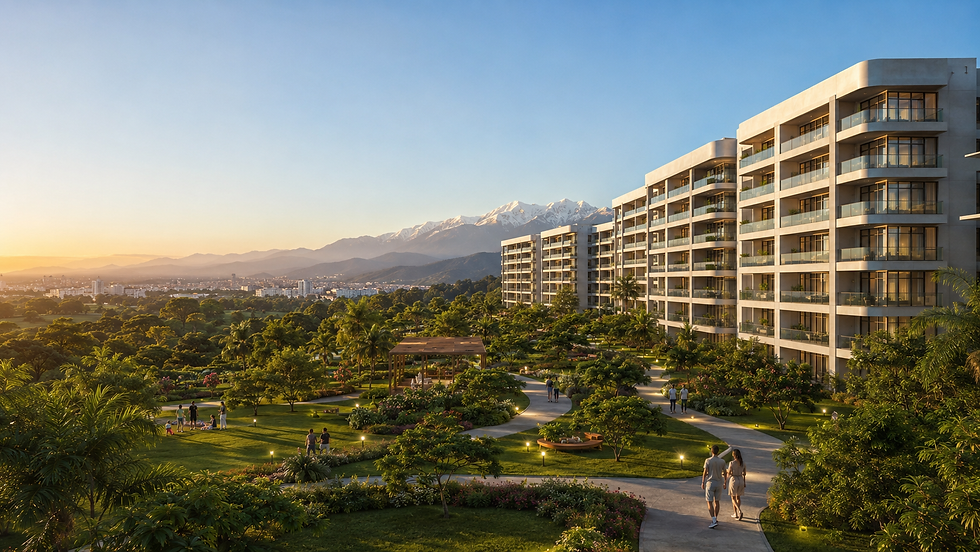
Projects like River Valley Township reflect many of the principles that are driving township demand across India—such as integrated planning, open spaces, gated security, and everyday convenience within the development.
Designed as a self-sufficient residential environment, the township focuses on balancing modern living with natural surroundings, a combination that has become increasingly important for today’s homebuyers.
Instead of concentrating only on residential towers, such townships emphasise wide internal roads, landscaped green areas, dedicated community spaces, and essential amenities placed within walking distance.
This kind of planning not only improves daily living but also helps maintain the long-term value of the property.
Located along a developing growth corridor, River Valley Township also highlights how township projects in emerging locations can offer both lifestyle advantages and future appreciation, without the congestion commonly associated with city-centre developments.
For families, professionals, and long-term buyers, such projects demonstrate why thoughtfully planned townships are becoming a preferred housing choice.

Comments